On This Page
Premium Domains in One Minute
A premium domain is a domain name priced above the normal registration fee because of its perceived value. Standard .com registrations cost a small yearly fee. Premium names cost anything from a few hundred dollars to millions, because they're scarce, easy to remember or valuable to a particular market.
"Premium" doesn't mean the domain works any differently. It's the same technology. You're paying for the name itself: how short it is, how easily people remember and type it, and how much other businesses would want it.
Before buying any premium domain, find out whether it's an aftermarket premium or a registry premium. That one detail decides whether you pay a big price once, or a big price every year.
The Two Types of Premium Domain
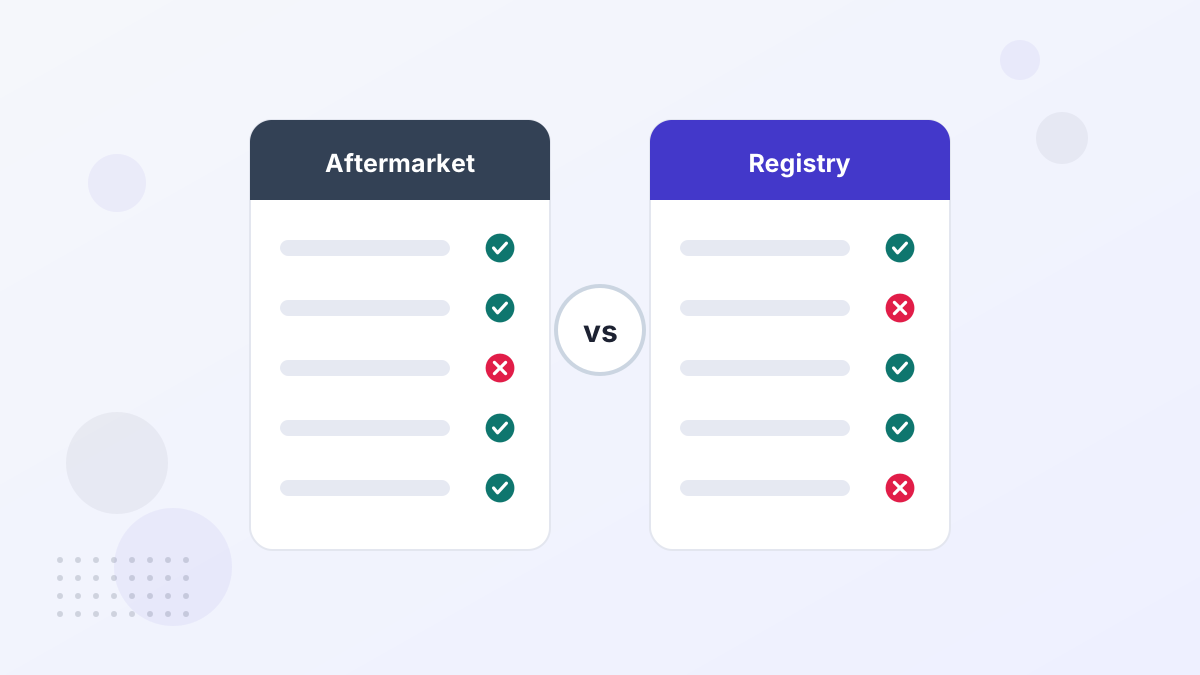
Premium domains come from two sources, and they behave differently over time.
| Aftermarket premium | Registry premium | |
|---|---|---|
| Who sets the price | The current owner | The registry that runs the extension |
| Status | Already registered, being resold | Often never registered, priced high at the source |
| Upfront cost | One-time purchase price | High first-year registration |
| Renewal | Usually the standard rate for the extension | Often a premium rate every year |
| Negotiable? | Sometimes, if the seller allows offers | Generally fixed |
| Where you buy it | Marketplaces like Atom, brokers, owners | Registrars, flagged as premium in search |
Aftermarket premiums are what most people mean by premium domains, and they're what marketplaces like Atom sell. You pay once, then renew at normal prices. Registry premiums are common on newer extensions, where the registry decides certain words are valuable and charges more for them, often year after year.
What Makes a Domain Premium
No single rule makes a name premium. It's a combination of qualities that make a domain scarce and useful.
Short Length
Fewer characters mean fewer typos and an easier fit in logos, ads and conversation.
Easy to Say and Spell
Names that pass the "tell a friend" test spread by word of mouth.
Strong Words
Real, commercially useful words or clean compounds carry more value.
The .com Extension
.com is still the default people type, so .com versions cost the most.
Brandability
A distinctive, ownable name that can stretch with a business.
Market Demand
Names that fit busy, high-value industries attract more buyers.
Scarcity ties these together. Almost every short, pronounceable .com was registered long ago, so the only way to get one is to buy it from someone who already owns it.
How Much Premium Domains Cost
Prices vary enormously. Most premium domains sell for modest amounts, while headline sales in the millions are rare. Industry sources suggest the typical aftermarket sale sits in the low thousands of dollars.
| Tier | Typical range | What you usually get |
|---|---|---|
| Entry | Hundreds of dollars | Longer names, newer extensions, some registry premiums |
| Mid-range | About $1,000–$10,000 | Good brandable .coms and strong compounds |
| High-end | $10,000–$100,000 | Short .coms, premium keywords, one-word modern extensions |
| Ultra-premium | $100,000+ | One-word .coms and category-defining names |
Atom's own FAQ puts most premium domains between $500 and $50,000. For a deeper breakdown, see our guide to premium domain prices.
Why Businesses Pay for Them
A premium domain is a marketing asset. The main benefits are practical rather than magical.
- Memorability. People remember and return to a short, clear name, which can reduce how much you spend to bring them back.
- Credibility. A clean .com looks established, even for a brand-new business.
- Fewer lost visitors. Hyphens, odd spellings and long names cause typos and misdirected email.
- Room to grow. A brandable name doesn't box you into one product or location.
What a premium domain won't do is rank you on Google by itself. It helps people trust and remember you, but content and reputation still do the heavy lifting. We cover that in do premium domains help SEO.
Premium Domain Styles, With Examples
Premium names come in a few recognizable styles. The examples below are made up to illustrate each style, not real listings.
Real Dictionary Words
Single common words like "harbor" or "summit" on .com. The rarest and most expensive style.
Two Short Words
Pairs like "brightpath" or "cloudmint" that read naturally and suggest a benefit.
Invented Words
Made-up names like "zentora" that are easy to trademark and own.
Descriptive Phrases
Names that say what you do, like a service plus a location.
Letters and Acronyms
Three- and four-letter names, valued for brevity rather than meaning.
Most founders end up choosing between compound and coined names, which balance price with brand potential. Our guides to brandable names and invented names explain the trade-offs.
Common Misconceptions
- "Premium means better hosting or features." It doesn't. The technology is identical; the price is about the name.
- "Every premium name renews at a premium." Only registry premiums typically do. Aftermarket names usually renew at standard rates.
- "A premium domain guarantees traffic." It helps people remember and trust you, but it doesn't replace marketing or content.
- "Premium names are only for big companies." Plenty cost a few thousand dollars, and payment plans make them accessible to small businesses.
How to Tell If a Domain Is Premium
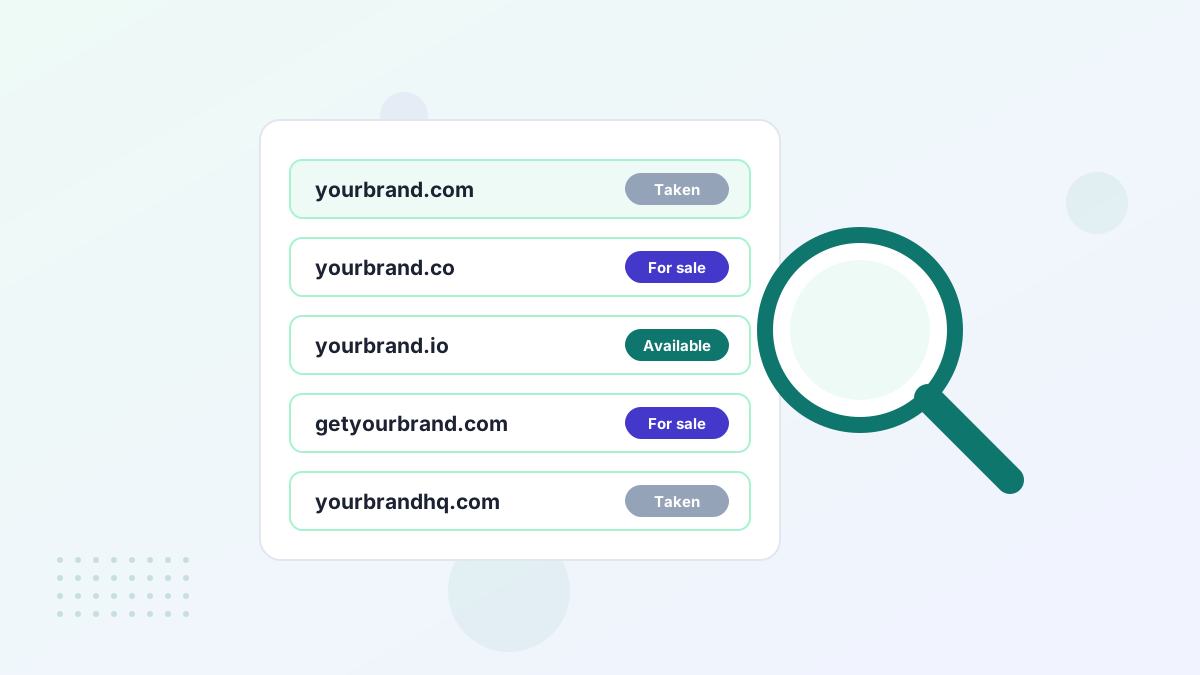
When you search for a domain at a registrar, premium names are usually flagged with a higher price or a "premium" label. If a price looks far above the normal fee for that extension, you're looking at a premium, and it's worth finding out which kind.
- Check who's sellingA marketplace listing or owner sale is aftermarket. A higher price straight from a registrar's search is often a registry premium.
- Look at the renewal priceRegistrars should show renewal pricing. If it's well above normal, it's likely a registry premium.
- Compare similar namesCheck what comparable names on the same extension cost, so you know whether the price is in line.
Where to Buy Premium Domains
Aftermarket premiums are sold on marketplaces and through brokers. Curated marketplaces like Atom suit founders choosing a brand name, while open networks like Afternic and Sedo suit buyers chasing one specific listed domain. Registry premiums are bought at registrars like any other registration.
Our roundup of the best premium domain marketplaces explains which platform suits which buyer, and how to buy a premium domain walks through the process step by step.
Premium Domain FAQs
Do premium domains renew at premium prices?
Aftermarket premiums usually renew at the standard rate for their extension. Registry premiums often renew at an elevated price every year.
Are premium domains a scam?
No. They're simply names priced by demand. The main risk is misunderstanding renewal costs or overpaying, which careful comparison avoids.
Can you negotiate a premium domain price?
Aftermarket prices sometimes are negotiable if the seller accepts offers. Registry premium prices are generally fixed.
Is a premium domain better for SEO?
Not directly. It can improve trust and click-through, but rankings depend mainly on content, relevance and reputation.