On This Page
- What the Domain Aftermarket Is
- Where Aftermarket Domains Come From
- How Aftermarket Sales Work
- Who Buys on the Aftermarket
- Aftermarket vs Registering a Fresh Name
- Curated vs Open Marketplaces
- What Aftermarket Domains Cost
- Fees to Expect
- Risks, and How to Avoid Them
- What a Typical Purchase Looks Like
- How to Buy an Aftermarket Domain Safely
- Aftermarket Domain FAQs
What the Domain Aftermarket Is
When a domain is registered for the first time, that's the primary market. Everything after that, when an owner sells a registered domain to someone else, is the aftermarket. It's sometimes called the secondary market.
The aftermarket exists because of scarcity. The best short, memorable names were registered years ago. If you want one today, you can't register it; you have to buy it from whoever owns it. That's why aftermarket names cost more than a standard registration.
Where Aftermarket Domains Come From
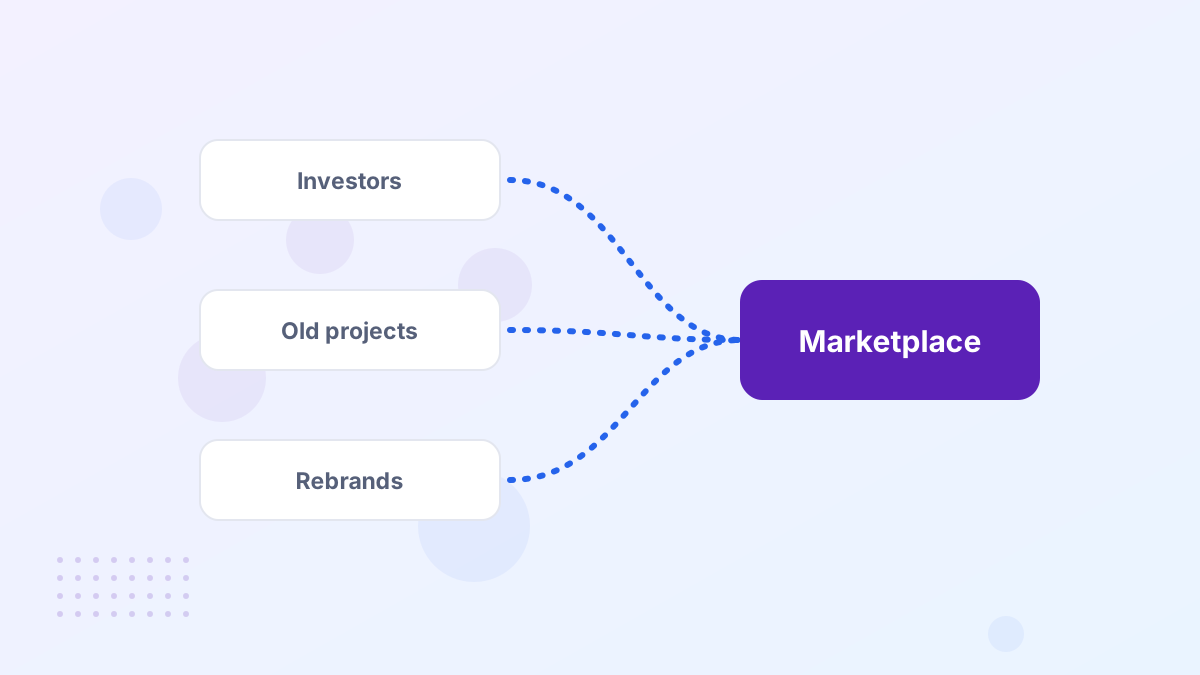
Aftermarket names reach the market from a few sources, and knowing which you're dealing with helps you judge price and risk.
Domain Investors
People and companies who register or buy names to resell. Much of the curated brandable inventory comes from them.
Retired Projects
Businesses and individuals selling names they no longer use.
Rebranding Companies
Firms that changed names and are selling their old domain.
Expired Names
Domains that weren't renewed and were auctioned or caught by backorder services.
How Aftermarket Sales Work
There are four common ways to buy an aftermarket domain. Each has a different balance of speed, price and effort.
| Method | How it works | Best for |
|---|---|---|
| Buy now | A fixed price on a marketplace listing | Speed and certainty |
| Make offer | You propose a price and negotiate | Unpriced or flexible listings |
| Auction | Timed bidding; highest bid wins if reserve is met | Bargain hunters who can wait |
| Broker or direct | Someone approaches an unlisted owner | Specific names that aren't for sale |
Most marketplaces also offer payment plans on many names, letting you use the domain right away and own it after the last payment. Atom offers plans on many listings, usually over 6 to 24 months.
Who Buys on the Aftermarket
The aftermarket serves a few very different buyers, and their goals shape prices and listings.
- Founders and startups looking for a brand-ready name they can't register. Curated marketplaces are built for them.
- Established businesses upgrading from a weaker domain or securing their exact-match .com.
- Agencies buying names on behalf of clients.
- Domain investors buying cheaply to resell later, often at auctions and wholesale prices.
Most of the very low sale prices in aftermarket data come from investor-to-investor trades. End users buying a name to build a business on usually pay more, because they're buying the best names rather than speculative ones.
Aftermarket vs Registering a Fresh Name
| Aftermarket | Fresh registration | |
|---|---|---|
| Name quality | Access to shorter, established names | Whatever is still available |
| Upfront cost | Purchase price plus registration | Registration only |
| Speed | Hours to days for listed names | Instant |
| History | May have a past to check | Usually clean, though some were registered before |
Curated vs Open Marketplaces
Aftermarket marketplaces fall into two broad camps. Curated marketplaces like Atom and BrandBucket review names for brand quality and organize them by style and industry. Open networks like Afternic and Sedo let any owner list any name.
Curated marketplaces help when you're choosing a name; open networks help when you're searching for one you already know. Our marketplace roundup explains which to use when.
What Aftermarket Domains Cost
Prices span an enormous range. At the bottom, many aftermarket sales are tiny: one registrar's Q2 2026 aftermarket report found a median sale price under $20 across more than 54,000 completed sales, mostly between investors. At the top, AI.com reportedly sold for $70 million in early 2026.
For a business buying a brand-ready name from an end-user marketplace, the realistic range is usually a few hundred to a few thousand dollars, with short and one-word names costing far more. Atom's FAQ puts most premium names between $500 and $50,000. See premium domain prices for a full breakdown.
Fees to Expect
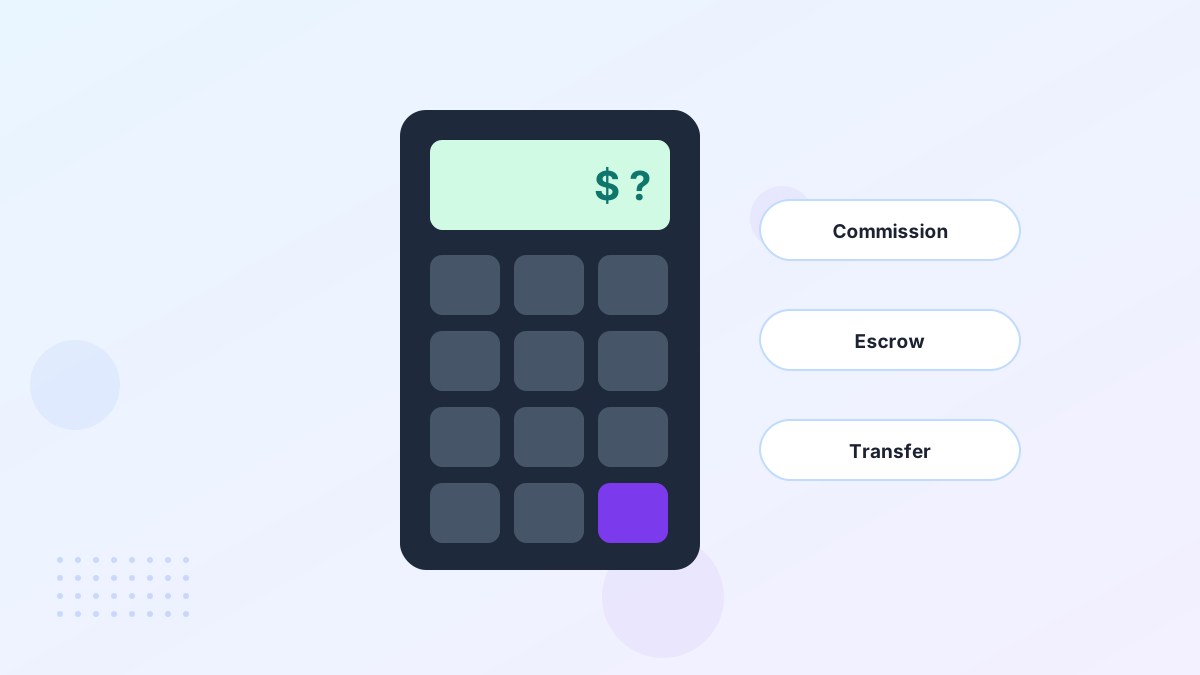
- Marketplace commission is usually paid by the seller, built into the listing price.
- Escrow fees apply to private sales, and buyer and seller can agree who pays.
- Broker fees apply when you hire someone to acquire an unlisted name.
- Transfer and renewal costs are small but add up if you move the domain to another registrar.
On a marketplace purchase, most of this is handled for you. That's one reason a listed name can be simpler than a private deal at a similar price.
Risks, and How to Avoid Them
Most aftermarket purchases go smoothly, but a few risks are worth guarding against.
- Non-delivery: pay through the marketplace or escrow, never directly to a stranger.
- Fake sellers: confirm the seller controls the domain before paying.
- Bad history: check archives for spam or penalties. See checking domain history.
- Trademark conflicts: no domain comes with a trademark. See trademark checks.
- Hidden renewals: confirm the name isn't a registry premium with high yearly costs.
What a Typical Purchase Looks Like
On a marketplace, a buy-now purchase usually goes like this. You pay through the marketplace, which verifies payment and holds the funds. The seller then pushes the domain to an account or releases an authorization code, and the marketplace releases payment once you have the domain.
On Atom, for example, most transfers are initiated within one business day, and Purchase Protection refunds you in full if the domain can't be transferred. Private deals follow the same pattern but use an escrow service you arrange yourself, which typically takes a few days longer.
How to Buy an Aftermarket Domain Safely
- Search marketplaces firstCheck curated and open marketplaces before contacting owners directly.
- Research the priceCompare similar names and run an appraisal as a reference.
- Do your checksTrademarks, history and renewal price.
- Pay through protected channelsMarketplace checkout or recognized escrow.
- Complete the transfer and lock it downEnable auto-renew, registrar lock and two-factor login.
Aftermarket Domain FAQs
Do aftermarket domains renew at the purchase price?
No. You pay the purchase price once, then renew at the standard rate for the extension, unless the name is also a registry premium.
Is buying on the aftermarket safe?
Yes, when you use a marketplace with buyer protection or a recognized escrow service and verify the seller.
Can you negotiate aftermarket prices?
Sometimes. Many listings are fixed-price, while others accept offers or are sold at auction.