On This Page
What Makes a Domain Brandable
A brandable domain is a distinctive name that can carry a brand on its own. Instead of spelling out what a business does, like a long keyword phrase, it creates its own identity through sound, feel and association. Many of the world's best-known companies use brandable names.
The appeal is practical. Brandable names are easier to remember, easier to protect with a trademark and flexible enough to stretch as a business grows into new products or markets. A name that literally describes one product can feel limiting the moment you add a second.
The Four Main Styles
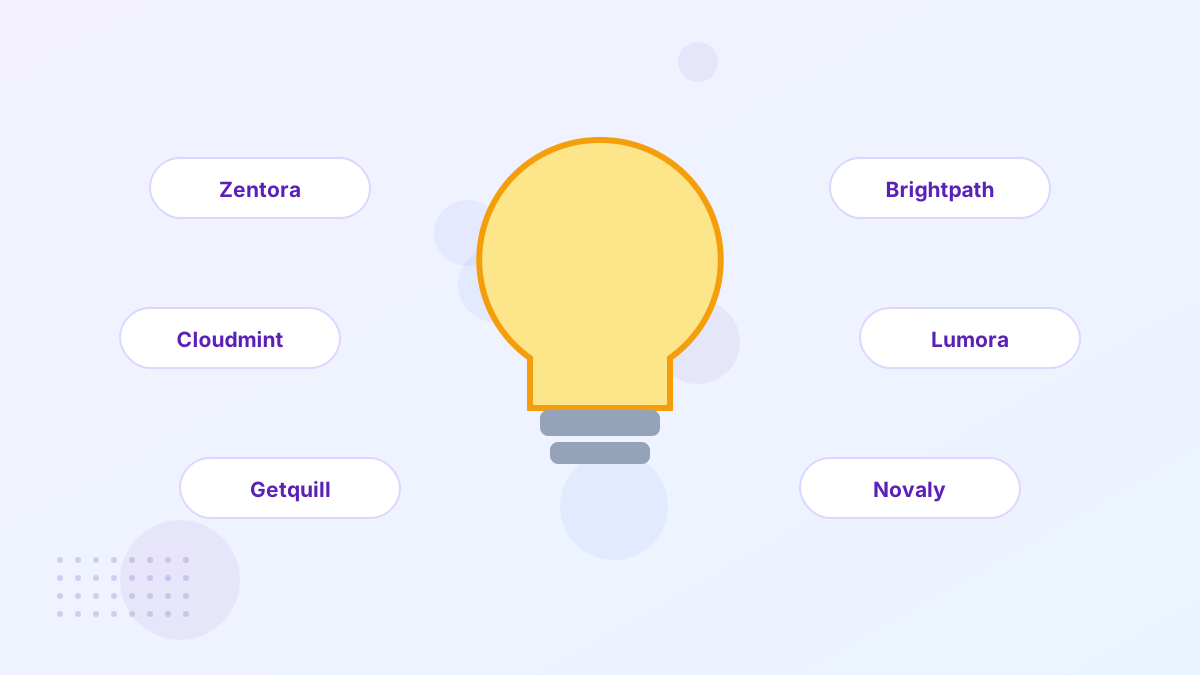
Brandable names tend to fall into four styles. The examples below are invented to illustrate the pattern.
Coined Words
Made-up words with no prior meaning, like "Zentora". Highly distinctive and easiest to trademark. See invented domain names.
Two Words Joined
Real words combined, like "Brightpath". Meaningful and memorable. See two-word domains.
Fused Words
Parts of words merged into one, like "Cloudmint" shortened to "Clomint". Hints at meaning while staying unique.
Prefix or Suffix
A word with an added beginning or ending, like "Getquill" or "Novaly". Common in software.
Each style has trade-offs. Invented names give you the most ownership but need marketing to build meaning. Compounds explain themselves faster but are harder to find on .com. Most founders shortlist a mix.
Signs of a Strong Brandable Name
- Easy to say on first sight. If people hesitate over pronunciation, they'll hesitate to recommend it.
- Easy to spell after hearing it. The radio test: say it once, then ask someone to type it.
- Short. Most strong brandables are under about ten letters and two or three syllables.
- Distinctive. It shouldn't sound like a competitor or blend into generic names in your industry.
- Positive or neutral associations. Check meanings in your key markets' languages.
- Room to grow. It shouldn't tie you to one product, city or trend.
Warning Signs of a Weak One
Some names look brandable on a list and fall apart in use. Watch for these:
| Problem | Example pattern | Why it hurts |
|---|---|---|
| Ambiguous spelling | Swapped letters like "k" for "c" | Customers type the wrong address |
| Awkward sound | Clusters of consonants | Hard to say, so people avoid saying it |
| Too generic | Common tech suffixes everyone uses | Blends into competitors |
| Hidden meanings | A word that's negative in another language | Embarrassing in new markets |
From Concept to Brandable: A Worked Example
Here's how a single concept turns into options across the four styles. Imagine an invoicing tool for freelancers that promises to get people paid faster. The names below are invented for illustration.
| Style | Example | What it signals |
|---|---|---|
| Compound | Paybright | Payment plus optimism; meaning is clear |
| Blended | Invoya | A hint of "invoice" in a friendly, ownable word |
| Modified | Getquill | A writing tool feel, with a common software prefix |
| Invented | Zentora | No built-in meaning; the brand defines it |
Notice how each option asks something different of your marketing. The compound explains itself; the invented name needs a strong tagline at first but is easiest to protect. Choosing between them is a strategy decision, not just a matter of taste.
Brandables on Different Extensions
Brandable names are less dependent on .com than keyword names, because people remember the brand rather than a phrase. That's why many startups build successfully on .io, .ai or .co.
That said, .com remains what most people type by default. If your audience is broad and non-technical, a brandable .com is still the safest choice. If your audience is developers or an AI-savvy market, a modern extension can work well and cost less. See .com vs other extensions.
Why Brandables Suit Startups
Most venture-backed startups choose brandable names, and the reasons are practical. A distinctive name is easier to trademark than a descriptive one, which protects your investment in marketing. It also stretches as your product changes, which is common in the first few years.
Brandable names also tend to be shorter than descriptive ones, which helps with app store listings, social handles and word of mouth. Our guide to domains for startups covers this in more detail.
How to Find a Brandable Domain
- Define the feelingWrite three adjectives your brand should evoke, such as "calm, smart, modern".
- Brainstorm in each styleTry coined, compound, blended and modified names around those feelings.
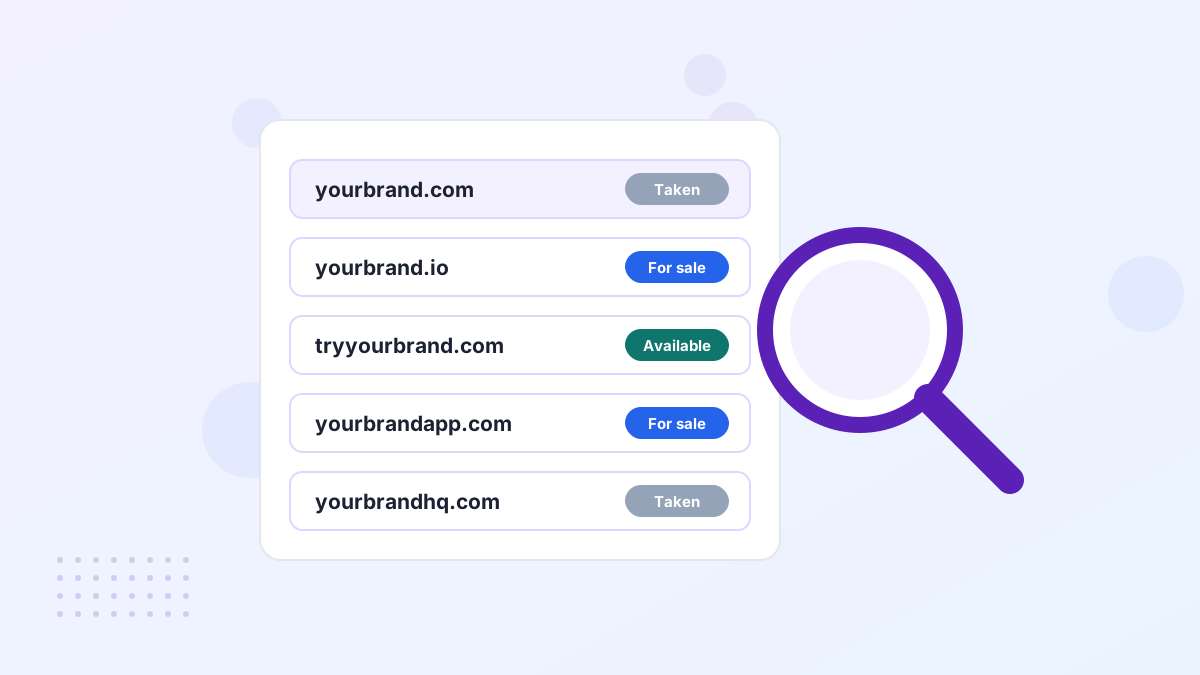
- Check availabilityMost short brandable .coms are registered, so expect to buy rather than register the best options.
- Browse curated marketplacesAtom, BrandBucket and Brandpa specialize in brandables. See the best marketplaces.
- Test and check trademarksPressure-test your top three, then search trademarks in your industry.
What Brandable Names Cost
Strong brandable .coms usually cost a few thousand dollars on curated marketplaces, with shorter names costing more. Brandables on modern extensions like .io or .co can be cheaper. Many listings offer payment plans, so you can use the name immediately and pay monthly.
See premium domain prices for typical ranges, and Atom pricing for one marketplace's brackets.
Brandable Domain FAQs
Is a brandable domain bad for SEO?
No. Search engines rank based mainly on content and reputation. Brandable names can perform very well, and many top sites use them.
Should a brandable name include a keyword?
It can, through a compound or modified name, but it doesn't have to. A hint of meaning can help, as long as the name stays distinctive.
Are brandable names easier to trademark?
Generally yes. Distinctive and invented names are easier to protect than descriptive phrases, though you still need to search for conflicts.