On This Page
Why Two-Word Names Work
A two-word domain combines two real words into one name. Done well, it gives customers a quick idea of what you offer while staying distinctive enough to own. Many familiar companies use this pattern, pairing a word about the product with a word that adds tone or benefit.
The practical appeal is availability. One-word .coms are scarce and expensive, while good two-word combinations are far more attainable, either listed on marketplaces for a few thousand dollars or occasionally still free to register.
How Two-Word Names Compare on Price
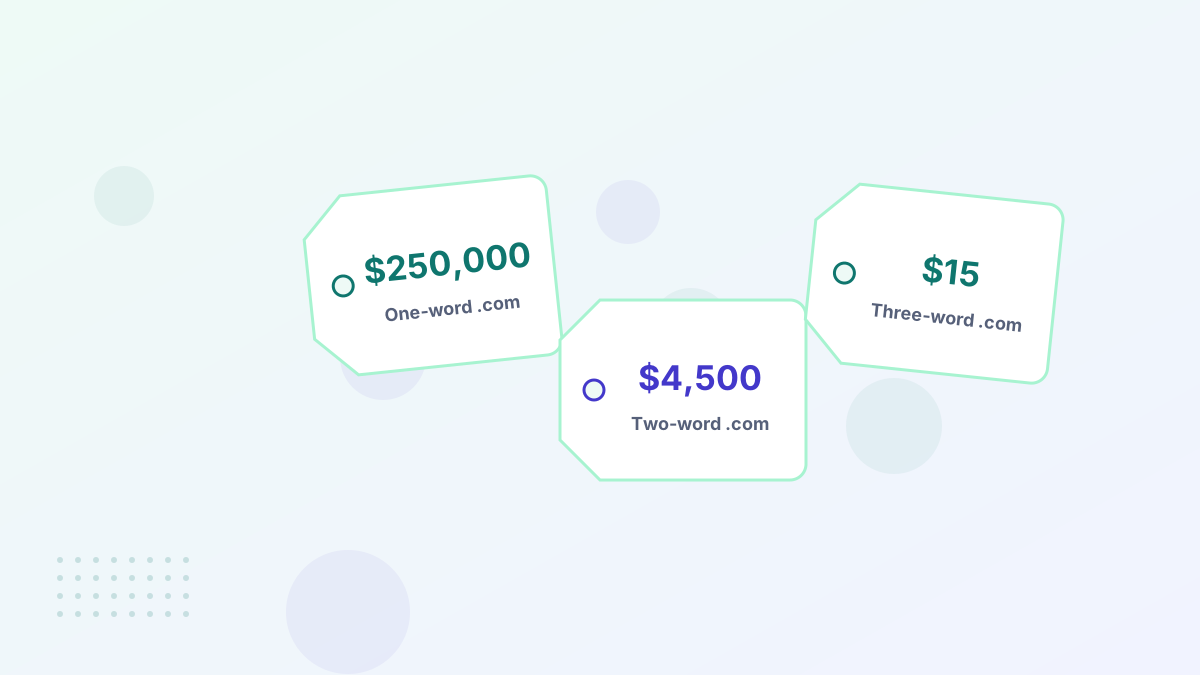
Industry analysis suggests one-word domains typically sell for five to twenty times the value of comparable two-word names. In NameBio's list of the top 100 domain sales of 2024, single-word names took 63 spots while two-word names took just seven.
That gap is good news for buyers. A strong two-word .com gets you much of the clarity and memorability of a premium name at a fraction of the cost. Three-word names drop in value again, because they start to feel long.
What Makes a Good Word Pair
Short Words
Two words of one or two syllables each keep the total easy to say.
Clear Roles
One word hints at what you do; the other adds tone, benefit or energy.
Natural Rhythm
The pair should roll off the tongue, like a phrase people already know.
Clean Join
The words shouldn't blur together into something confusing when written as one.
Read the combined name as a single string of letters before you commit. Some pairs create unintended words when joined, which can be embarrassing in a web address.
Common Two-Word Patterns
These invented examples show patterns that tend to work.
| Pattern | Example | Effect |
|---|---|---|
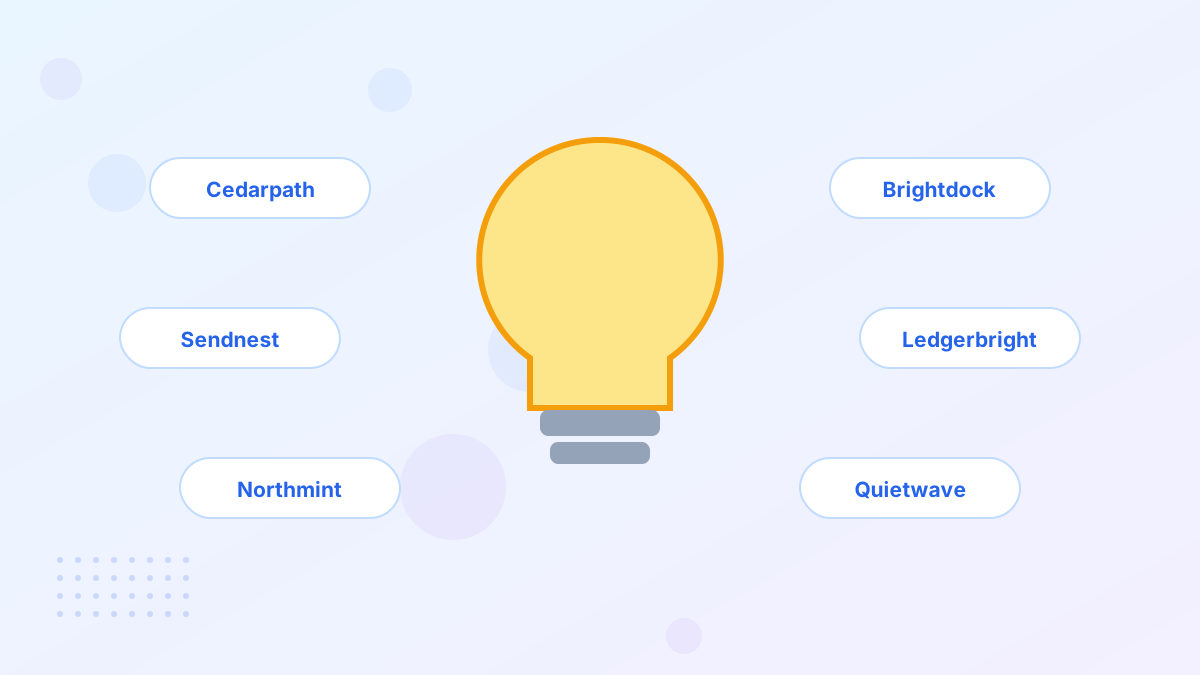
| Product + benefit | Ledgerbright | Says what and why |
| Action + object | Sendnest | Feels active and useful |
| Nature + concept | Cedarpath | Calm and trustworthy |
| Adjective + noun | Brightdock | Friendly and modern |
Pitfalls to Avoid
- Doubled letters at the join. Pairs where one word ends and the next begins with the same letter are easy to misspell.
- Generic pairs. Combinations that many competitors use feel interchangeable.
- Plural confusion. If people might add or drop an "s", own both versions or choose a different pair.
- Trademark collisions. Similar pairs may already be registered in your industry. See trademark checks.
- Hyphens. Don't separate the words with a hyphen to make a name available. See hyphens and numbers.
Finding a Two-Word Domain
- List words for each roleWrite ten words about your product and ten about the feeling you want.
- Combine and say them aloudMix pairs and keep the ones that sound natural.
- Check availabilitySearch registrars and marketplaces for each favorite.
- Browse curated listingsMarketplaces like Atom list many compound brandables already screened for quality.
- Test your shortlistRun the radio test and a trademark search on your top three.
Making a Two-Word Name Feel Like a Brand
Two everyday words can feel generic unless you treat them as a single brand. A few simple choices make a big difference.
- Write it as one word in your logo, with a capital or color change to separate the parts.
- Pick an unexpected pairing. Familiar words in a fresh combination feel ownable.
- Keep the tone consistent with your product: playful pairs for consumer apps, steady pairs for finance.
- Secure the social handles in the same form so people find you everywhere.
Done this way, a compound name stops feeling like a description and starts feeling like a company. See matching social handles for the last point.
Two Words or One?
If you can afford a one-word name and it fits your brand, it's the stronger asset. For most businesses, though, a well-chosen two-word name delivers clarity, memorability and room to grow at a realistic price. It's often the best value in the brandable market. See one-word domains for the comparison.
Two-Word Domain FAQs
Are two-word domains good for branding?
Yes, when the words are short and the pair sounds natural. Many well-known brands use two joined words.
Should you capitalize each word?
Domains aren't case-sensitive, but writing both words with capitals in your logo and marketing makes the name easier to read.
How much does a two-word .com cost?
Strong two-word brandables commonly cost a few thousand dollars on curated marketplaces, far less than one-word names.