On This Page
What an Invented Domain Name Is
An invented or coined name is a made-up word with no dictionary meaning. Some of the best-known brands in the world started this way. The name means nothing at first; years of products, service and marketing give it meaning.
Invented names sit at one end of the brandable spectrum. Compound names combine real words, and blended names fuse parts of words. A truly coined name starts from nothing, which gives you more control over what it comes to mean than any other style.
Why Founders Choose Coined Names
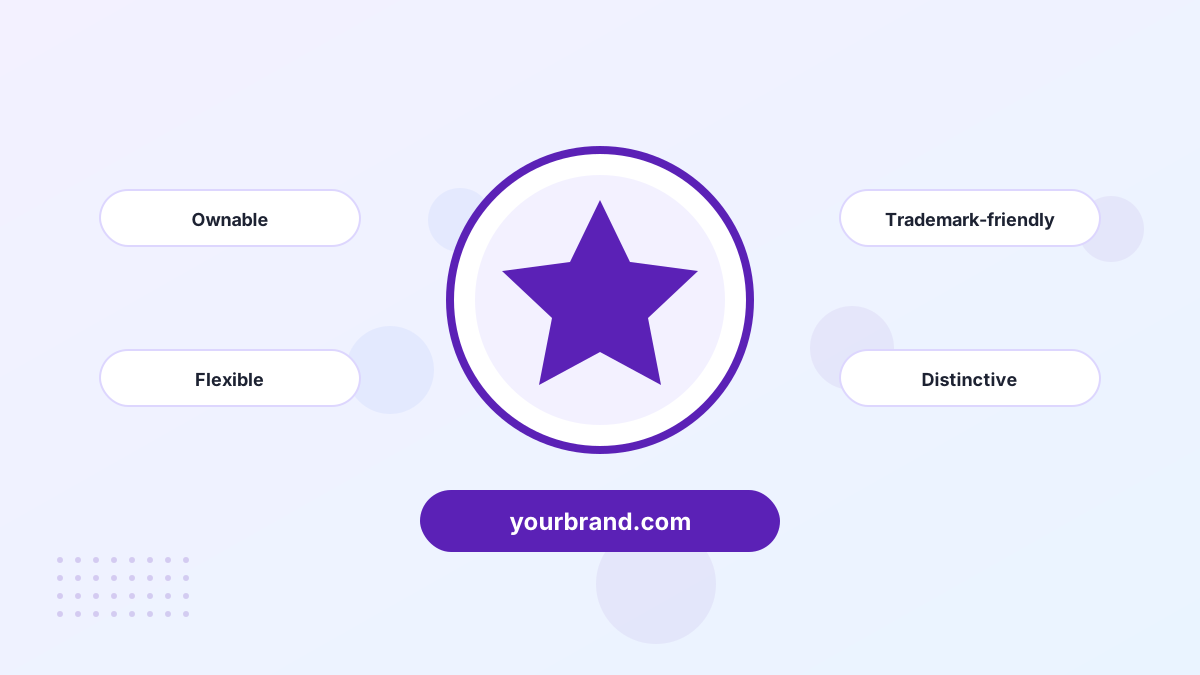
Easier Trademarks
A distinctive coined word is one of the easiest things to protect, because it doesn't describe a product.
Better Domain Odds
Because the word is new, the exact-match .com is more likely to be available or listed for sale.
No Baggage
No existing meaning, no other company owning the word in customers' minds.
Room to Grow
No category limits, so the name works as you add products or enter new markets.
These advantages are why coined names are especially common in technology, biotech and finance, and in any company planning to scale beyond a single product or country.
The Trade-Offs
Invented names ask more of your marketing at the start. Customers won't know what you do from the name, so you'll lean on a tagline, clear design and consistent messaging until the name builds recognition.
The bigger risk is a name people can't say or spell. If customers hesitate over pronunciation, they won't recommend you, and if they can't spell it after hearing it, they'll type the wrong address. A coined name that fails the radio test can be worse than a plain descriptive one.
What Makes a Strong Coined Name
- One obvious pronunciation. Familiar sound patterns make new words easy to read aloud.
- Spelled the way it sounds. Avoid letters that could reasonably be swapped.
- Two or three syllables. Short enough to say quickly, long enough to be distinctive.
- A pleasant sound. Balanced consonants and vowels tend to feel friendlier.
- A subtle hint, if any. Echoes of a real word can help, as long as the name stays unique.
- Clean in other languages. Check it doesn't mean something unfortunate in your key markets.
How to Test an Invented Name
- The radio testSay it once to five people and ask them to type it. Count the different spellings.
- The cold readShow it written down and ask how they'd pronounce it.
- The association checkAsk what kind of company it sounds like. You're looking for a feeling that fits.
- The language checkSearch the word in your key markets' languages for unwanted meanings.
- The trademark searchEven new words can clash with existing marks. See trademark checks.
Our guide on testing a brand name adds more ways to get outside opinions quickly.
Where to Find Invented Domain Names
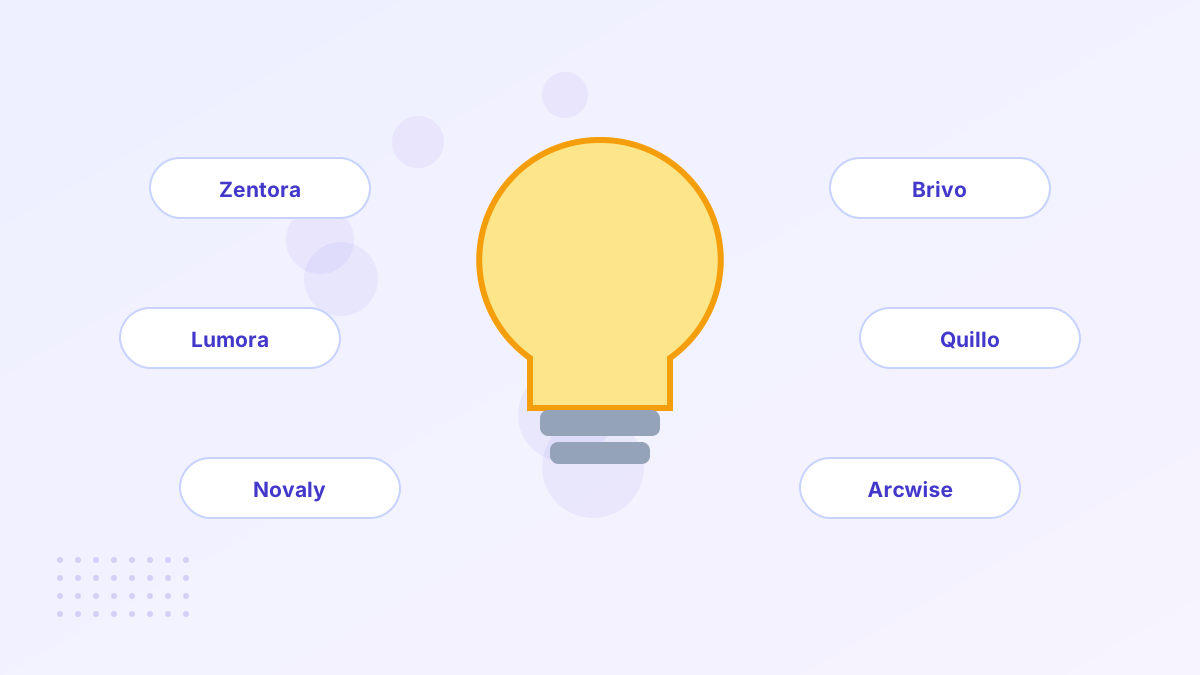
You can create your own with a name generator and register any that are still available, or buy one that's already been created and listed. Curated marketplaces like Atom, BrandBucket and Brandpa specialize in coined brandables, and their names have usually been screened for pronunciation and appeal.
Buying a listed coined name costs more than registering one, often in the low thousands for a strong .com, but it can save weeks of brainstorming and the risk of choosing a weak word. See brandable domain names for more on where to look.
Launching an Invented Name Well
Because a coined name starts empty, the first months matter. A few habits help customers attach meaning to it quickly.
- Pair it with a clear tagline that says what you do in five or six words.
- Use it consistently in exactly the same spelling and capitalization everywhere.
- Say it often in videos, podcasts and calls so people learn how it sounds.
- Secure the variations, such as common misspellings, and redirect them.
Over time, the tagline does less work and the name does more. That's the moment a coined word becomes a brand.
Invented, Compound or Descriptive?
| Invented | Compound | Descriptive | |
|---|---|---|---|
| Meaning on day one | None | Some | Clear |
| Trademark ease | Highest | Medium | Lowest |
| .com availability | Best | Harder | Hardest for short phrases |
| Marketing effort early | Highest | Medium | Lowest |
Invented Domain Name FAQs
Are made-up names bad for SEO?
No. Rankings depend on content and reputation. Over time, people searching your brand name becomes an advantage.
How do you make an invented name easy to say?
Use familiar sound patterns, keep it to two or three syllables and spell it the way it sounds.
Can you trademark an invented word?
Coined words are usually among the easiest names to trademark, but you still need to search for similar existing marks.