On This Page
The Short Answer
Aftermarket premium domains, the kind sold on marketplaces like Atom, usually renew at the normal rate for their extension. You pay a premium once. Registry premium domains are priced high by the registry itself, and that higher price often applies to every renewal too.
So before you buy any premium name, check the renewal price, not just the purchase price. It's the single most common surprise in premium domain buying.
Why Renewal Prices Differ
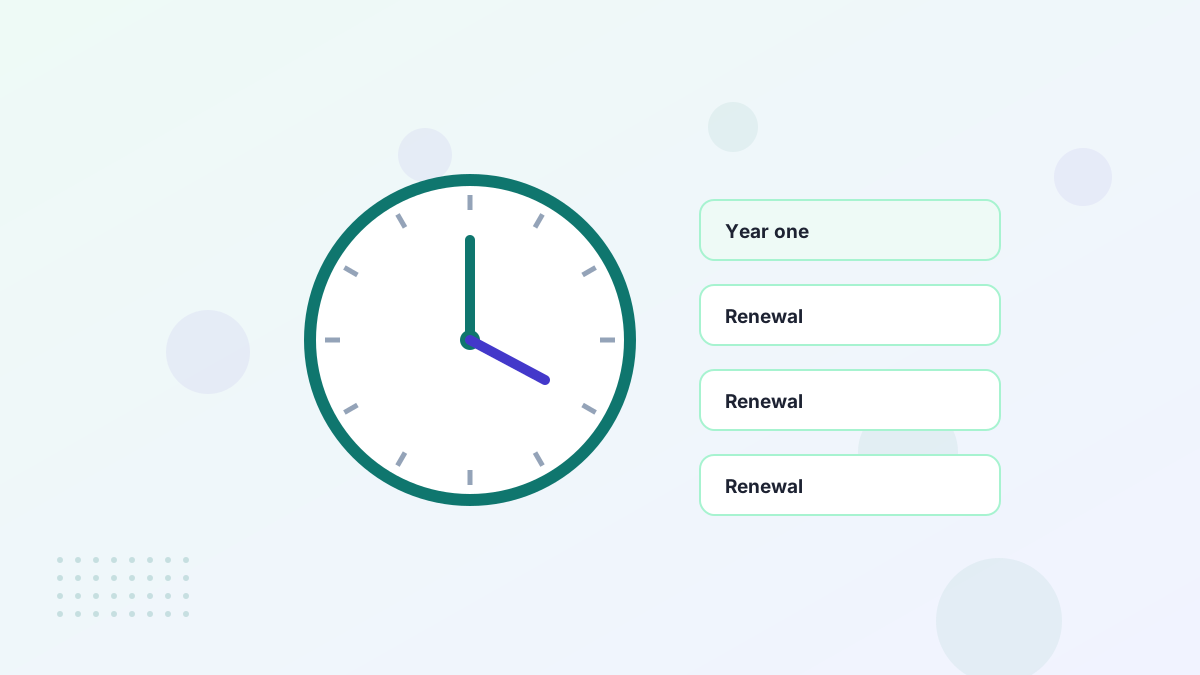
Every domain extension is run by a registry, which sets wholesale prices for registrars. For most names, that's a standard price. But registries can label certain names as premium, typically short or valuable words, and charge more for them.
When a registry marks a name as premium, the higher price can apply to registration, renewal and even transfers, depending on the registry's rules. Registries can also designate names as premium after they've been registered, so the status can follow the domain to whoever owns it.
Aftermarket prices work differently. When an owner sells a domain on a marketplace, the premium is their asking price for the name. Once you own it, the registry's normal renewal price applies, unless the name also happens to be a registry premium.
Registry vs Aftermarket Renewal at a Glance
| Aftermarket premium | Registry premium | |
|---|---|---|
| Purchase | One-time price set by the owner | High first-year price set by the registry |
| Renewal | Usually standard for the extension | Often premium, every year |
| Transfer | Usually standard | Can be premium |
| Common on | .com and established extensions | Many newer extensions |
Some names are both. An owner might list a domain that's also a registry premium, so you pay the resale price once and then elevated renewals every year. That combination is where buyers get caught out most.
A Five-Year Cost Example
Here's why the renewal question matters more than the sticker price. These figures are illustrative assumptions, not real quotes.
| Aftermarket .com | Registry premium on a newer extension | |
|---|---|---|
| Year one | $2,500 purchase + about $15 registration | $800 premium registration |
| Years two to five | About $15 × 4 = $60 | $800 × 4 = $3,200 |
| Five-year total | About $2,575 | About $4,000 |
The name that looked cheaper upfront ends up costing far more. Over ten years, the gap would be even larger.
How to Check a Renewal Price Before You Buy
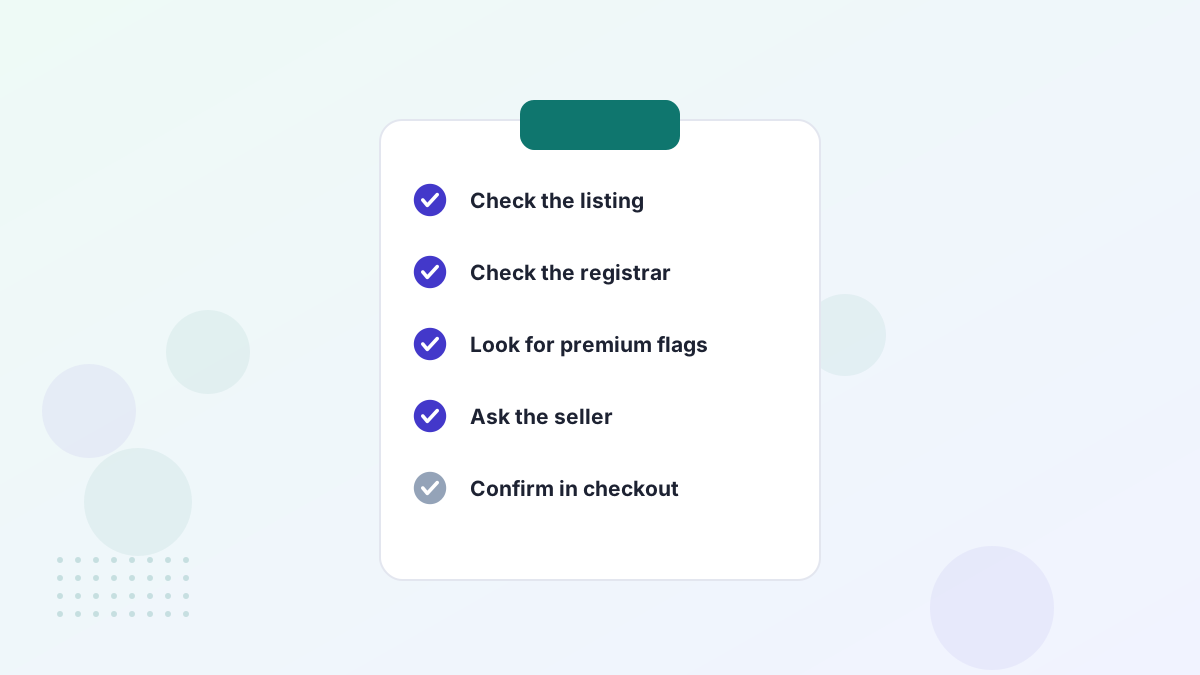
- Look at the registrar's renewal priceRegistrars should show the renewal price alongside the first-year price. Search the exact name, not just the extension.
- Watch for premium labelsA "premium" tag in a registrar search usually signals a registry premium.
- Ask the sellerOn an aftermarket purchase, ask whether the name carries registry premium renewal.
- Check the checkoutSome checkouts list renewal pricing as a separate line item. Read it before paying.
Where Registry Premiums Are Common
Most .com names don't carry registry premium renewals, which is one reason .com aftermarket names are popular with long-term buyers. Registry premium pricing is more common among newer extensions, where registries reserve short and desirable words.
That doesn't make newer extensions a bad choice, but it does mean checking every name individually. Our guide to new domain extensions covers what to look for.
If You Already Own a Registry Premium
If you've discovered your domain renews at a premium, you have a few options. None is perfect, so weigh them against what the name does for your business.
- Keep it and budget for it. If the name is central to your brand, a higher renewal may still be worth paying.
- Move your main brand to a standard-renewal name. Redirect the premium name to the new one for a while, then decide whether to keep renewing it. See moving to a new domain.
- Check your registrar's terms. Renewal prices can differ slightly between registrars even for premium names, so compare before your next renewal.
Whatever you choose, don't let the domain expire by accident. A lapsed premium name can be expensive or impossible to get back.
Keeping Renewal Costs Under Control
- Turn on auto-renew so a premium name never lapses by accident.
- Consider multi-year renewal for standard-priced names to lock in your cost.
- Keep a valid card on file and update it before it expires.
- Review your domains yearly and let go of names you no longer need.
For what happens if a renewal is missed, see domain renewal and expiration.
Premium Renewal FAQs
Does a premium .com renew at a premium price?
Usually not, if you bought it on the aftermarket. Most .com aftermarket names renew at the standard .com rate.
Can a registry change a domain to premium later?
Registries can designate names as premium, and that status can affect renewal and transfer prices. Check the renewal price before buying.
Do Atom domains have premium renewals?
Atom's prices are one-time purchases, and Atom's FAQ puts .com renewals at roughly $10–$20 a year. Other extensions can cost more, so check the specific name.