On This Page
The Short Answer
No, not directly. Google doesn't rank a site higher because its domain is short, expensive or full of keywords. Google's John Mueller has said there's no ranking bonus for keywords in a domain name, and Google has no way of knowing what you paid for one.
Where a premium domain helps is indirectly: through trust, memorability, click-through and brand searches. Those effects support SEO over time, but content, relevance and reputation still do the heavy lifting.
SEO Myths About Domains
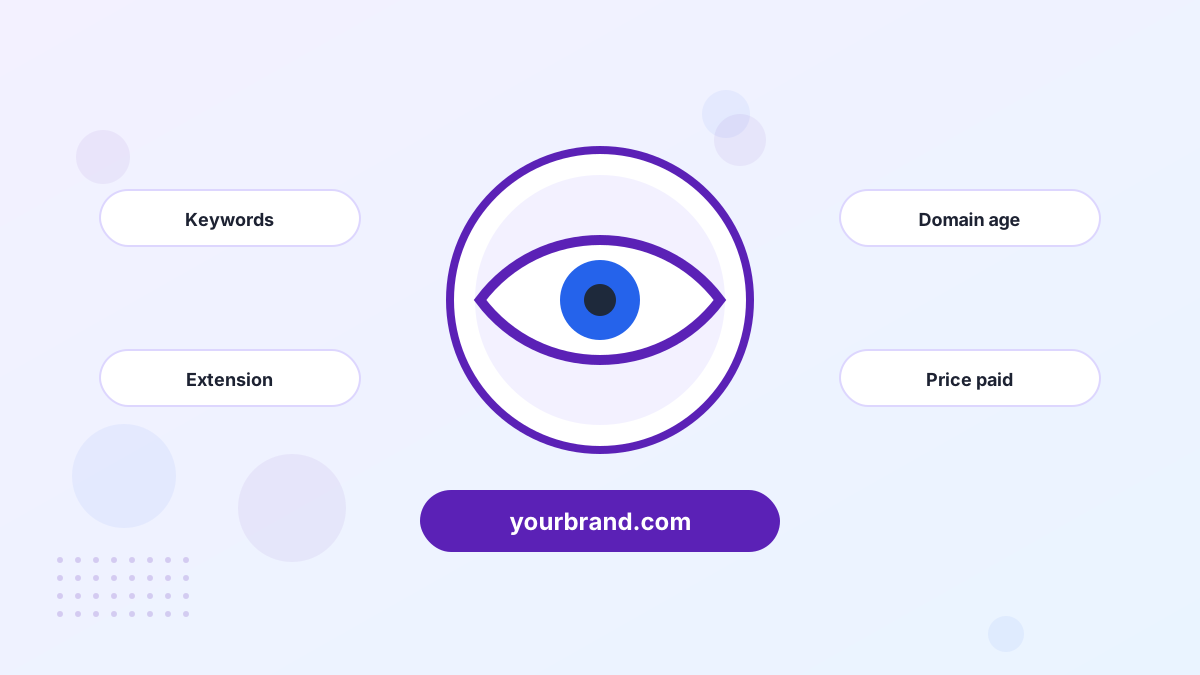
| Belief | Reality |
|---|---|
| Keywords in the domain boost rankings | Google has said there's no ranking bonus for them |
| Older domains rank better | Google has repeatedly said domain age alone isn't a ranking factor |
| .com ranks better than other extensions | Generic extensions are treated equally; country codes signal location |
| Registering for ten years helps | Registration length isn't a ranking factor |
| An expensive domain is a ranking asset | Search engines don't consider what you paid |
These myths persist because domains used to matter more. Before Google's 2012 update targeting low-quality exact-match domains, a keyword domain could rank with thin content. That shortcut is long gone.
How a Premium Domain Helps Indirectly
Even without a direct ranking boost, a strong name helps your search performance in practical ways.
Higher Click-Through
A clear, trustworthy name in search results can earn more clicks than an awkward one.
More Brand Searches
A memorable name means more people search for you directly, which is valuable traffic.
Easier Links and Mentions
People remember and share short names, so mentions and links come more naturally.
Fewer Lost Visitors
Fewer typos mean fewer people landing on the wrong site.
None of these replace good content. But for a business that's already doing SEO properly, a stronger name can make the results compound faster.
Where a Domain Can Hurt SEO
The real SEO risk with a premium domain is its history, not its price. A domain that was previously used for spam, link schemes or a penalized site can carry baggage that slows your start.
- Check archived versions of the domain to see what it hosted before.
- Look for unnatural backlinks pointing at the domain.
- Search for the domain to see whether it appears in results at all.
Our guide to checking a domain's history walks through these checks. Curated brandables that were never developed usually have little history to worry about.
Extensions and Local SEO
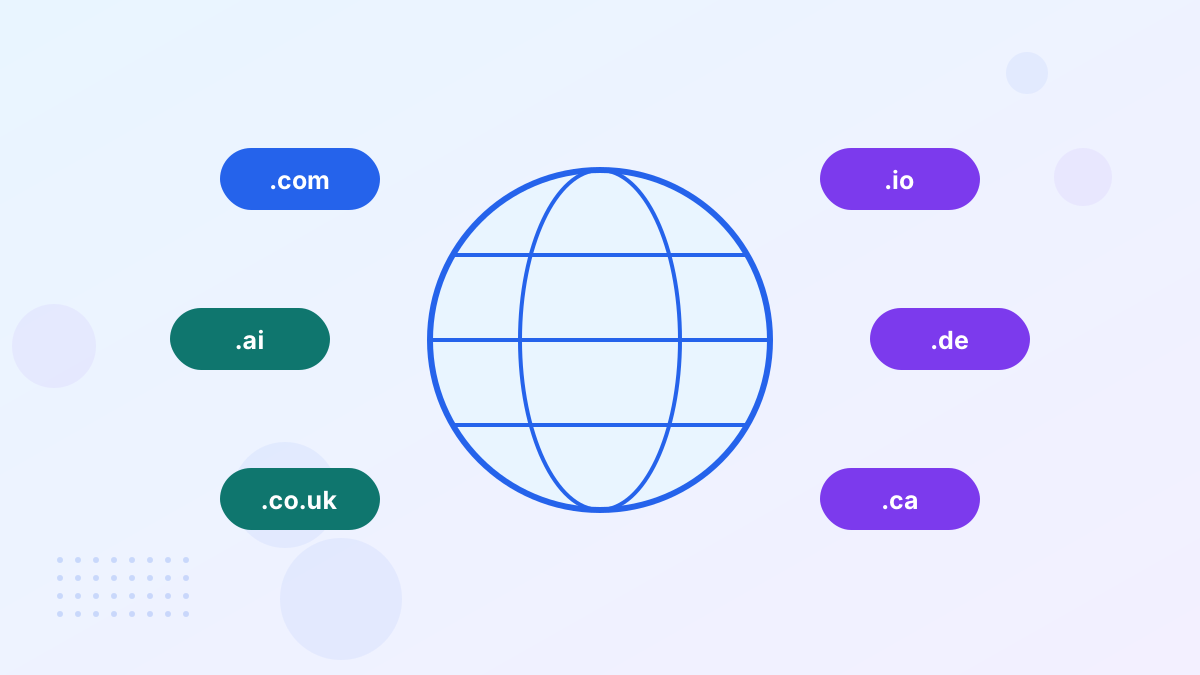
Generic extensions like .com, .io, .ai and .co are treated the same for ranking purposes. Country-code extensions, like .de or .ca, are different: search engines use them as a signal that a site targets that country.
So if you serve one country, a local country-code domain can help local visibility. If you serve the world, a generic extension keeps your options open. See country-code domains and .com vs other extensions.
Changing Domains and SEO
If you upgrade to a premium domain from an existing site, the move itself is the SEO risk to manage. With proper 301 redirects, updated internal links and a change of address in Google Search Console, most sites recover their rankings after a transition period.
Skipping those steps is where traffic gets lost. Our guide to moving your website to a new domain covers the full checklist.
Brand Searches: The Overlooked Benefit
One of the strongest long-term SEO assets is people searching for your brand by name. Those searches are easy to win, convert well and signal that people know and trust you.
A memorable, distinctive name makes brand searches more likely, because people can recall and spell it. A generic keyword name often blends into similar competitors, so people searching for you end up comparing alternatives instead. That's a practical reason many SEO-minded founders now choose brandable names over keyword ones.
A Practical Way to Think About It
Treat your domain as the sign above your shop, not as a ranking lever. A great sign doesn't bring customers by itself, but it makes the shop easier to find, remember and recommend.
So choose the best name you can justify for your brand and customers, check its history, then put your SEO effort into content, links and technical quality. That combination is what moves rankings.
What Actually Drives Rankings
- Helpful, original content that answers what people search for.
- Relevance between your pages and search intent.
- Reputation, including quality links and mentions.
- Technical health, such as speed, mobile usability and crawlability.
- User experience that keeps visitors engaged.
Choose a domain for your customers and your brand. Then build SEO on top of it.
Premium Domain SEO FAQs
Will an exact-match domain help you rank?
Not meaningfully on its own. Google has said there's no ranking bonus for keywords in a domain name.
Does an aged domain rank faster?
Domain age alone isn't a ranking factor. An old domain can even carry negative history, so check before buying.
Is .com better for SEO than .io or .ai?
No. Generic extensions are treated equally. .com mainly helps with trust and memorability.