On This Page
What a Domain Broker Does for You
A domain broker is a go-between. You tell them the name you want and roughly what you'll pay; they find the owner, make contact, negotiate and guide the deal through a secure transfer. Your identity stays private throughout.
Atom lists a domain broker service alongside its marketplace, and it has an in-house brokerage team that handles offers and negotiations on listed names. For names that aren't on the marketplace, the broker route is how you get a professional to make the approach.
Why that matters: owners often raise prices when they learn a funded company wants their domain. A broker removes that signal and brings experience in pricing a realistic first offer.
How a Brokered Purchase Works
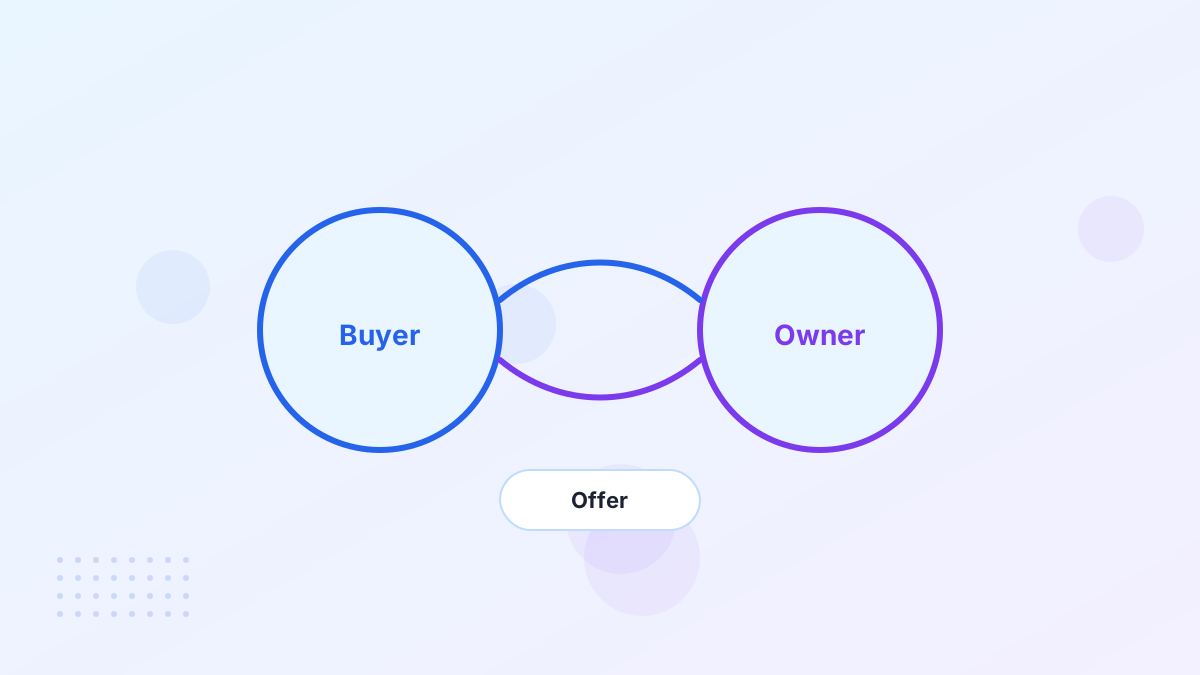
- Tell the broker your targetShare the exact domain, your budget range and how quickly you need it.
- Owner research and outreachThe broker finds the owner, even behind privacy services, and makes contact.
- NegotiationThe broker tests the owner's price expectations and counters on your behalf.
- AgreementYou approve the final price and terms before anything is binding.
- Secure transactionPayment is held until the domain transfers to you.
Timelines vary from a few days to several weeks, and some owners won't sell at any reasonable price. A good broker will tell you early if the deal looks unlikely.
What Brokers Typically Cost
Broker pricing varies across the market, so check Atom's current terms on its broker page before you start. For context, here's how some well-known services published their pricing at the time of our research.
| Service | Upfront fee | Success commission |
|---|---|---|
| GoDaddy Domain Broker Service | $99.99 per domain | 20% of the sale price |
| Name.ai broker service | $99 retainer | 15% of the deal price |
| Independent premium brokers | Often none | Commonly 15%–35%, sometimes with a minimum |
The pattern is a small upfront fee to start work, plus a percentage if the deal closes. On a $10,000 domain, a 20% commission adds $2,000, so brokers make the most sense when the name is worth that premium to your business.
When a Broker Is Worth It
High-Value Names
Short or one-word domains where a better negotiation can save more than the commission.
Known Buyers
Funded startups and established brands, where anonymity protects the price.
Hard-to-Reach Owners
Privacy-protected or unresponsive owners that a broker can track down.
Listed Names
If the domain already has a price on a marketplace, a broker usually adds cost without much benefit.
Brokered Deal vs Marketplace Purchase
| Brokered acquisition | Listed marketplace name | |
|---|---|---|
| Price | Negotiated; unknown until the owner responds | Shown upfront on the listing |
| Extra cost | Broker fee and commission | None beyond the listing and any plan surcharge |
| Timeline | Days to weeks, sometimes no deal | Often same day to a few days |
| Certainty | Owner may refuse | Available to buy now |
| Payment plans | Possible if the owner agrees | Offered on many listings |
That comparison is why we suggest checking the marketplace first. If a listed name is nearly as good, the certainty and speed often outweigh the small difference in fit.
After You Agree a Price
Once you and the owner agree, the deal still needs to close safely. Expect the broker to set out the terms in writing, including the price, who pays any transaction fees and how the domain will be delivered.
Your payment should be held by the marketplace or an escrow service until the domain is in your account. Then you'll follow the same steps as any transfer: accept the push or use the authorization code, confirm control, and turn on auto-renew and registrar lock. Our guide to the domain transfer process covers each step.
How to Help Your Broker Succeed
The more realistic you are upfront, the better the outcome. Give your broker a clear budget ceiling, tell them if timing matters, and share any alternatives you'd accept. That flexibility gives them room to negotiate.
- Get a value reference first. An appraisal and comparable sales help set expectations. See our valuation guide.
- Don't contact the owner yourself in parallel. Two approaches signal strong interest and push the price up.
- Be ready to decide quickly. Owners cool off if offers take weeks to approve.
Alternatives to Brokerage
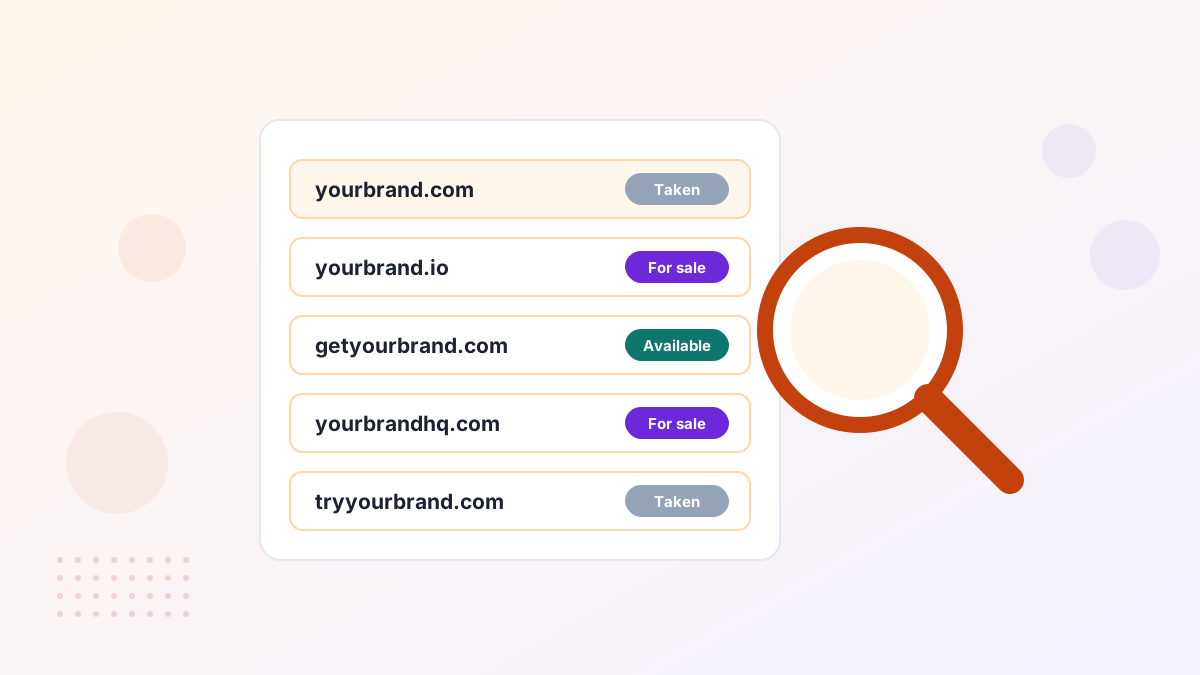
Brokerage isn't the only way to get a great name. If the owner won't sell or the price is out of reach, a strong listed alternative may serve you better.
You can contact the owner yourself, as we explain in finding a domain owner, set a backorder in case the domain expires, or choose a close alternative on Atom's marketplace. Our guide to buying a taken domain walks through every route.
Atom Broker FAQs
Does Atom offer a domain broker service?
Yes. Atom lists a domain broker service, and its brokerage team handles negotiations on marketplace offers. Check Atom's broker page for current terms.
Will the owner know who is buying?
A broker negotiates on your behalf, so your identity normally stays private until you choose to reveal it.
What if the owner refuses to sell?
Some owners won't sell at any reasonable price. Ask your broker early whether the deal looks realistic, and keep alternatives on your shortlist.