On This Page
What a Domain Broker Does
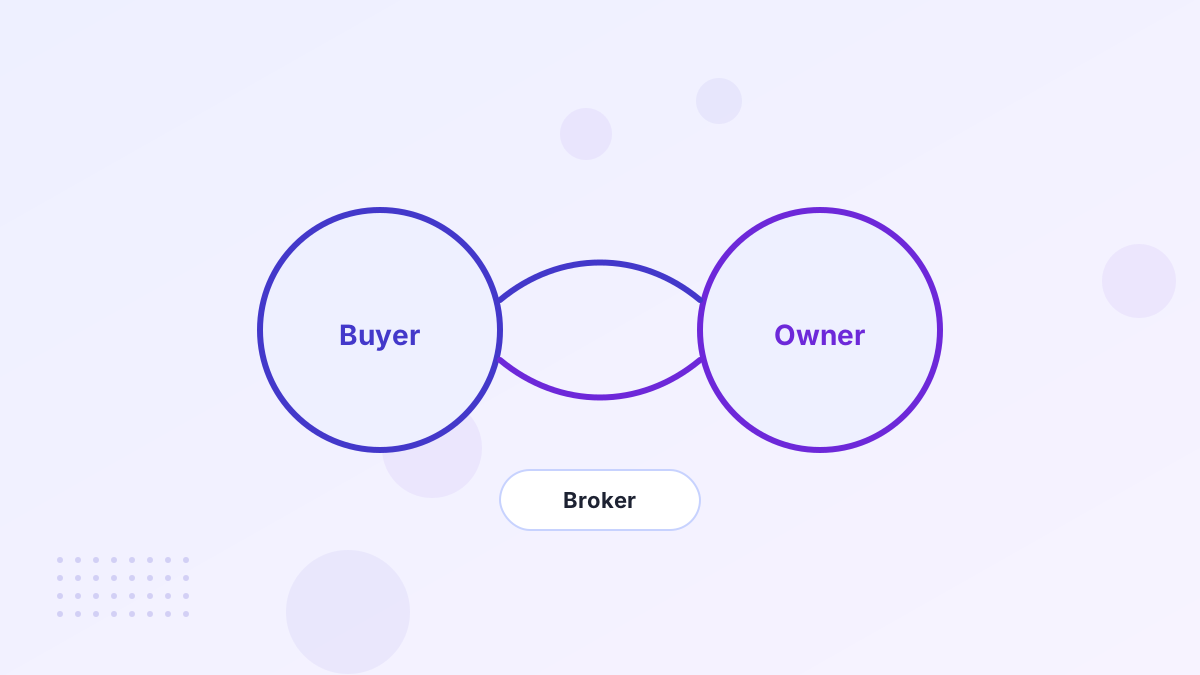
A domain broker is an intermediary who helps you buy a domain that isn't for sale or isn't priced. They find the owner, open a conversation, negotiate the price and guide the deal through a secure transfer, usually without revealing who you are.
Brokers earn their fee in three ways: they reach owners you can't, they know what names really sell for, and they keep your identity private so the price doesn't jump when the owner learns a funded company is interested.
How a Brokered Acquisition Works
- BriefingYou tell the broker the domain, your budget range and your timeline.
- Owner researchThe broker identifies the owner, even behind privacy services.
- OutreachA neutral first approach tests whether the owner will sell.
- NegotiationThe broker manages offers and counters within your limits.
- Agreement and closingTerms are agreed in writing and the deal closes through escrow.
Timelines range from days to weeks. Some owners won't sell at any realistic price, and a good broker will tell you early.
What Domain Brokers Charge
Most brokers combine a small upfront fee with a success commission. Here's what some well-known services published at the time of our research.
| Service | Upfront | Commission on success |
|---|---|---|
| GoDaddy Domain Broker Service | $99.99 per domain | 20% |
| Name.ai | $99 retainer | 15% |
| VPN.com | None | 15%–35%, minimum $5,000 |
| Sedo broker service | Varies | Commonly 15%–20% |
On a $10,000 deal at 20%, the commission is $2,000, so total cost is $12,000 plus any upfront fee. That's why brokers make the most sense on names where a better negotiation or confidentiality is worth more than the fee.
Atom also offers a broker service for names that aren't listed on its marketplace, alongside its in-house team that negotiates offers on listed names. Check Atom's current terms, and see our Atom broker guide.
When a Broker Is Worth It
High-Value Names
Short, one-word or category names where small negotiation gains outweigh the fee.
Recognizable Buyers
Funded startups and known brands that need anonymity.
Hard-to-Reach Owners
Privacy-protected or unresponsive owners.
Listed, Fixed-Price Names
If you can buy it now on a marketplace, a broker adds cost without much benefit.
How to Choose a Broker
- Track record: ask about comparable deals they've closed.
- Clear fees: get the upfront fee, commission and any minimum in writing.
- Escrow process: the deal should close through a recognized escrow service.
- No conflicts: confirm they aren't also representing the seller.
- Communication: you should hear about every offer and counter.
Broker vs Doing It Yourself
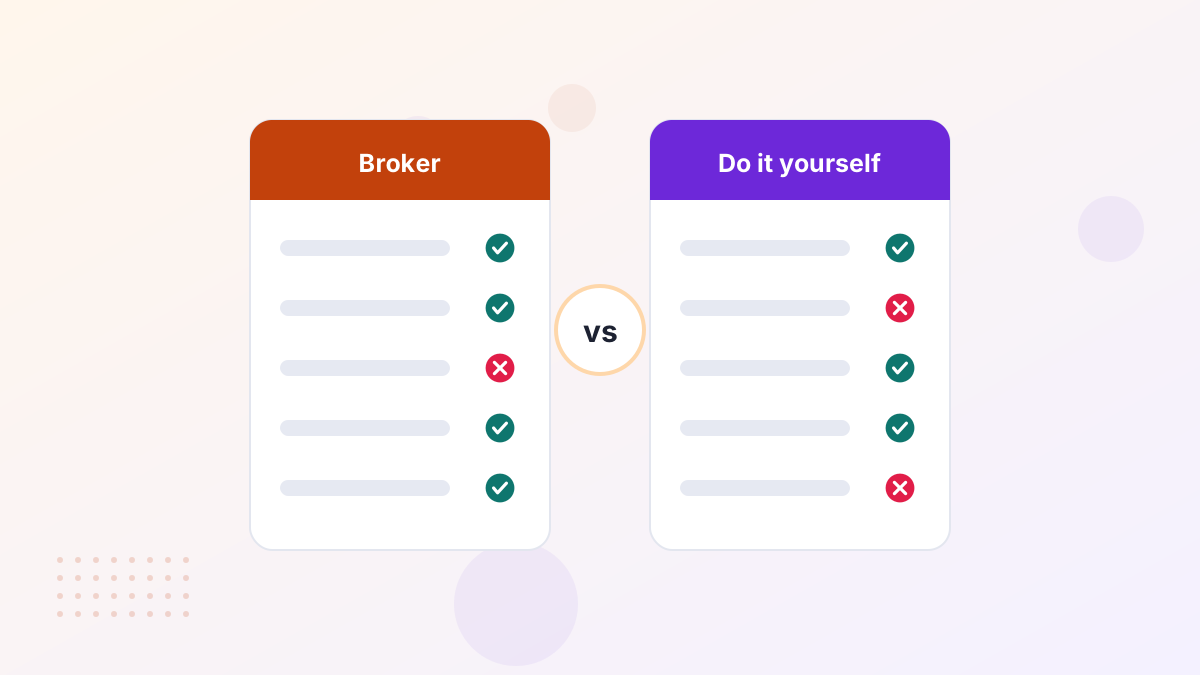
| Broker | Do it yourself | |
|---|---|---|
| Cost | Fee plus commission | No broker fees |
| Anonymity | High | Low unless you're careful |
| Owner reach | Strong, even behind privacy | Limited |
| Pricing knowledge | Experienced | Depends on your research |
| Time required | Low for you | Higher |
For lower-value names, doing it yourself with good preparation is usually fine. Our negotiation guide and owner-finding guide help.
What a Broker Can't Do
A broker can find an owner and negotiate skillfully, but they can't force a sale. If an owner is building a business on the domain or simply doesn't want to sell, no fee changes that. Brokers also can't make a price fall below what the market supports.
That's why it helps to go in with realistic expectations and a fallback. Ask your broker for an honest read after the first contact: is this a deal that's likely to close, and in what range?
Broker Agreements: What to Look For
- Scope: which domain or domains the broker is pursuing for you.
- Fees: the upfront fee, the commission rate and any minimum commission.
- Authority: confirmation that no offer is binding without your approval.
- Exclusivity and duration: how long the engagement runs and whether you can use others.
- Closing method: escrow, and who pays its fees.
- Confidentiality: that your identity won't be shared without consent.
Real-World Scenarios
A funded startup wants a five-letter .com that's parked by an investor. A broker approaches anonymously, uses comparable sales to anchor the price and closes through escrow. The commission is significant, but the confidentiality likely saved more.
A small business wants a two-word .com owned by a former company that's no longer active. Here, a polite direct approach and an escrow transaction may be enough, and a broker's fee could outweigh any savings. Our guide to buying a taken domain walks through that route.
Getting the Best Result From a Broker
- Give a realistic budgetBrokers can't work miracles below market value.
- Share your alternativesIt helps them judge how hard to push.
- Don't contact the owner yourselfTwo approaches signal strong interest.
- Decide quickly on offersOwners cool off if responses take weeks.
Domain Broker FAQs
How much does a domain broker cost?
Commonly a small upfront fee plus 15%–20% commission on success, though some charge more for smaller deals or set minimums.
Do you pay if the broker fails?
Usually only the upfront fee, if any. Commissions are typically paid only when a deal closes. Check the agreement.
Will the owner know who you are?
A broker negotiates on your behalf, so your identity normally stays private unless you choose to share it.