On This Page
- Typical Price Ranges
- What Drives the Price
- What a Typical Agency Process Looks Like
- Costs Agencies Don't Usually Include
- Fixed Fees vs Hourly Billing
- A Worked Budget Example
- Agency Fees vs the Cost of Getting It Wrong
- When an Agency Is Worth It
- Cheaper Alternatives
- Questions to Ask Before Hiring
- A Sensible Budget
- Naming Agency FAQs
Typical Price Ranges
There's no standard price for naming, but published figures and agency packages fall into rough tiers. Treat these as general ranges, not quotes.
| Provider | Typical range | What you usually get |
|---|---|---|
| Naming contests | From around $299 | Many crowdsourced ideas; you judge |
| Freelancers and small studios | Roughly $1,000 to $10,000 | A shortlist with some rationale, sometimes identity work |
| Specialist naming firms | Often $15,000 to $75,000 | Strategy, creative rounds, screening, presentation |
| Senior agencies, larger scope | $25,000 to $150,000 or more | Research, international checks, naming plus identity |
Hourly naming work on agency directories is often listed around $100 to $149 an hour, though senior specialists charge more.
What Drives the Price
- Scope: a company name, a product line or a full brand architecture.
- Rounds: how many creative presentations are included.
- Research: customer interviews, surveys and competitor audits.
- Screening depth: basic trademark screens versus international legal and linguistic checks.
- Identity work: whether logo, tagline and messaging are included.
- Agency reputation and location.
What a Typical Agency Process Looks Like
- DiscoveryWorkshops and interviews to define the brief.
- StrategyNaming territories and criteria.
- CreativeHundreds of candidates filtered to a presented shortlist.
- ScreeningPreliminary trademark and language checks.
- TestingOptional customer research on finalists.
- RecommendationA final shortlist with rationale.
Costs Agencies Don't Usually Include
Even a large naming fee rarely covers everything. Budget separately for:
- The domain, which may be a premium purchase if the .com is owned.
- Full trademark clearance and filing by a trademark attorney.
- Logo and identity, if not part of the package.
- Customer testing, if it's an add-on.
The domain is often the surprise. An agency may recommend a name whose .com costs thousands more. Ask early whether the agency considers domain availability and price.
Fixed Fees vs Hourly Billing
Most specialist naming firms quote a fixed project fee, often with defined stages and payment milestones. Freelancers and generalist branding agencies may bill hourly or by package. Fixed fees make budgeting easier, but read the scope carefully: extra rounds, extra markets or extra product names are often charged separately.
Ask for a written scope that lists deliverables, rounds, screening and what counts as an extra. It avoids surprises at the end of the project.
A Worked Budget Example
Consider a funded software startup choosing between two routes. Route A hires a specialist naming firm for a project around $30,000, then buys a premium .com for $12,000 and pays a trademark attorney for clearance and filing. Route B runs a contest for a few hundred dollars, buys a $12,000 domain and uses the same attorney.
Route A costs more but adds strategy, structured research and a defensible rationale for investors and the board. Route B is far cheaper and faster but puts more of the judgment on the founders. Both end with the same domain and legal protection, which are often the parts that matter most long term.
Agency Fees vs the Cost of Getting It Wrong
The real comparison isn't agency vs no agency. It's the naming cost compared with the cost of a rebrand later. Renaming an established business means new branding, redirects, lost recognition and sometimes legal costs. For a company planning significant marketing spend, a careful naming process at the start is usually cheaper than fixing a weak name later. See rebranding to a premium domain.
When an Agency Is Worth It
Funded Startups
Where the name will carry significant marketing spend and investor attention.
International Launches
Where linguistic and legal checks across countries matter.
Rebrands
Where stakeholders need a structured, defensible process.
Product Portfolios
Where names must fit a wider naming system.
Cheaper Alternatives
For many small businesses and early-stage startups, a full agency is more than they need. Alternatives include running a naming contest, using name generators and your own process, or browsing premium marketplaces where names already come with domains. Pair any of these with a trademark attorney's search for the final choice, and you cover most of the risk for a fraction of the cost.
Questions to Ask Before Hiring
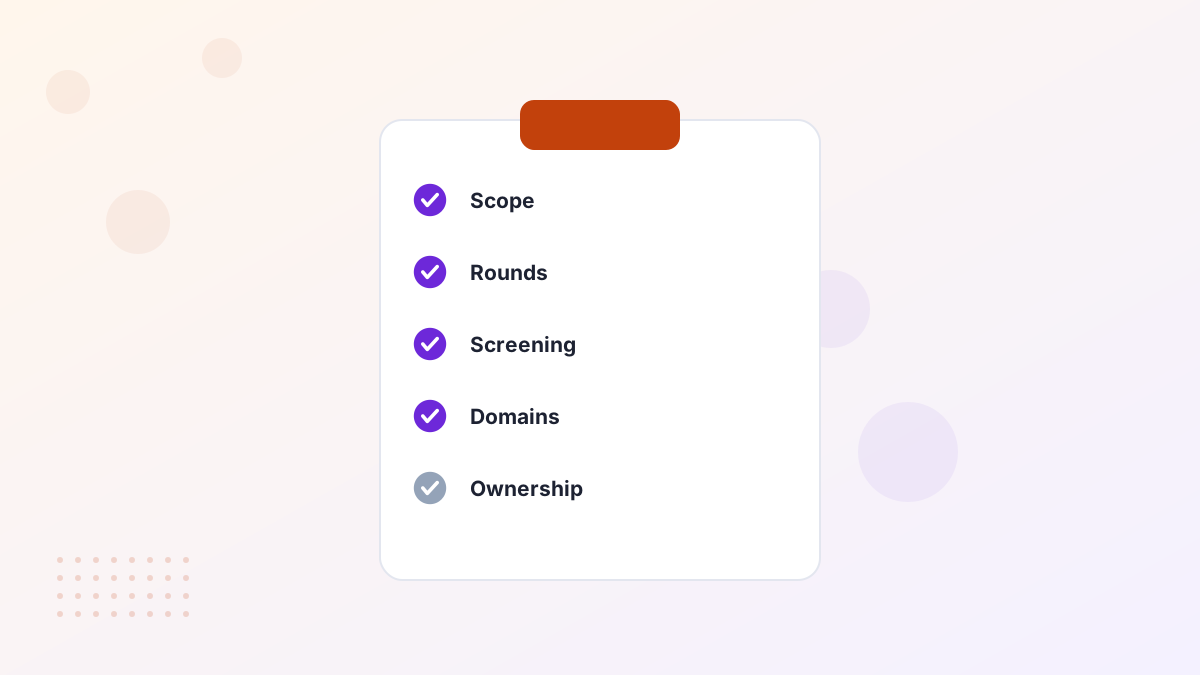
- How many names will you present, and in how many rounds?
- What trademark and language screening is included?
- Do you consider domain availability and cost?
- Is customer testing included?
- Who owns the work, including unused names?
- What happens if we don't like the shortlist?
A Sensible Budget
Think about the name's total cost: naming, domain, trademark and identity. A small business might spend a few hundred dollars on a contest, a few thousand on a premium domain and a legal search. A funded startup might spend tens of thousands across agency, domain and legal. Both can be sensible. What matters is that spending matches how much the name will carry.
Naming Agency FAQs
Why do naming agencies charge so much?
Fees reflect strategy, many creative rounds, research and screening by experienced teams.
Do agencies guarantee a trademark?
No. They screen for obvious conflicts, but final clearance and registration need a trademark attorney.
Can you hire an agency for just a shortlist?
Some offer smaller packages. Ask about scope and price for a reduced engagement.